
The Wells You Dig Twice
On Monday night I drove out to a house in Milton, Georgia, to hear an Israeli lieutenant colonel talk about what you write to your children when you might not come home.
The Atlanta Israel Coalition hosted Lt. Col. Amos Davidowitz, who wrote an ethical will — a tzava’ah — to his kids before going to war.
The room was someone’s basement family room (maybe forty chairs) that was way nicer than any basement has a right to be.
He spoke about Israel’s challenges not beginning on October 7, about the moral weight of command, about surviving and then writing and then surviving again.
Just a man in a living room in the Atlanta suburbs, explaining what it means to put the things that matter on paper before you run out of time.
What struck me wasn’t the war stories. It was the genre. An ethical will is one of the oldest forms of Jewish writing — a parent distilling everything they know into something a child can carry. It is, in the most literal sense, an inheritance. And inheritance is the entire engine of Parashat Toldot.
Toldot — “generations,” “histories,” or more precisely, the things that get produced by a life — is usually read as the story of two brothers. Esau and Jacob. The birthright sold for stew. The blessing stolen in disguise. Isaac’s famous bewilderment:
וַיִּגַּ֧שׁ יַעֲקֹ֛ב אֶל־יִצְחָ֥ק אָבִ֖יו וַיְמֻשֵּׁ֑הוּ וַיֹּ֗אמֶר הַקֹּל֙ ק֣וֹל יַעֲקֹ֔ב וְהַיָּדַ֖יִם יְדֵ֥י עֵשָֽׂו׃
So Jacob drew close to his father Isaac, who felt him and wondered, “The voice is the voice of Jacob, yet the hands are the hands of Esau.”
The twins get all the attention. The deception scene plays like theatre. But sandwiched between the birthright sale and the stolen blessing is a chapter almost nobody talks about: Isaac and the wells.
After Abraham dies, the Philistines fill in every well Abraham dug. Stopped them up with dirt. It is a small, spiteful act — not war, not conquest, just the erasure of what someone else built. And Isaac’s response is not to rage or retaliate. He digs them again:
וַיָּ֨שׇׁב יִצְחָ֜ק וַיַּחְפֹּ֣ר ׀ אֶת־בְּאֵרֹ֣ת הַמַּ֗יִם אֲשֶׁ֤ר חָֽפְרוּ֙ בִּימֵי֙ אַבְרָהָ֣ם אָבִ֔יו וַיְסַתְּמ֣וּם פְּלִשְׁתִּ֔ים אַחֲרֵ֖י מ֣וֹת אַבְרָהָ֑ם וַיִּקְרָ֤א לָהֶן֙ שֵׁמ֔וֹת כַּשֵּׁמֹ֕ת אֲשֶׁר־קָרָ֥א לָהֶ֖ן אָבִֽיו׃
Isaac dug anew the wells that had been dug in the days of his father Abraham and that the Philistines had stopped up after Abraham’s death; and he gave them the same names that his father had given them.
The same names. He didn’t rename them. Didn’t claim them as his own discovery. He called them what his father called them and went back to work.
The first well, the locals contested. He named it Esek — contention. The second, they disputed again. Sitnah — harassment. He moved on, dug a third, and nobody fought him over it. He called that one Rehoboth:
וַיַּעְתֵּ֣ק מִשָּׁ֗ם וַיַּחְפֹּר֙ בְּאֵ֣ר אַחֶ֔רֶת וְלֹ֥א רָב֖וּ עָלֶ֑יהָ וַיִּקְרָ֤א שְׁמָהּ֙ רְחֹב֔וֹת וַיֹּ֗אמֶר כִּֽי־עַתָּ֞ה הִרְחִ֧יב יְהֹוָ֛ה לָ֖נוּ וּפָרִ֥ינוּ בָאָֽרֶץ׃
He moved from there and dug yet another well, and they did not quarrel over it; so he called it Rehoboth, saying, “Now at last GOD has granted us ample space to increase in the land.”
Isaac is the quietest of the patriarchs. Abraham left everything and walked into the unknown. Jacob wrestled an angel and limped away with a new name. Isaac dug wells. He re-dug wells. He gave them old names and waited for room.
There is something in that patience worth sitting with.
Yesterday, thousands of Ethiopian Jews gathered at the Sherover Promenade in Jerusalem for Sigd, the annual holiday marking the renewal of the covenant between God and the Jewish people. Beta Israel, the Ethiopian Jewish community, preserved their Judaism in near-total isolation for over two thousand years — no contact with the wider Jewish world, their own traditions, their own sacred texts, their own priestly class called kessim. They kept the faith alive without knowing anyone else was keeping it with them. They dug the same wells.
This year, among the thousands on the promenade, Avera Mengistu was there. Mengistu, an Ethiopian Israeli, was held by Hamas in Gaza for ten years and five months before being freed in February. Thursday was his first Sigd as a free man.
He received a blessing from the kessim while Jerusalem spread out below.
There are flashier stories in Torah than Isaac’s wells. The binding of Isaac is dramatic. The stolen blessing is operatic. The wells are just a man doing the same work his father did, in the same place, with the same names, against the same opposition. He digs. Someone fills it in. He digs again.
I sat in that living room in Milton on Monday night and listened to a man read from the book he wrote to his children (and gives to all of us) — the distilled version of everything he wanted them to carry forward if he didn’t make it back. The audience was quiet. The kind of quiet that means people are actually listening.
An ethical will is a well. You dig it and name it and hope the name survives. Isaac’s wells survived. The kessim’s prayers survived. The man in the living room survived, too, and his children got to read the letter in his presence instead of his absence.
Rehoboth. Ample space. The well nobody contested. Isaac dug it last, after the contention and the harassment, and what he found there was room.
Shabbat shalom.
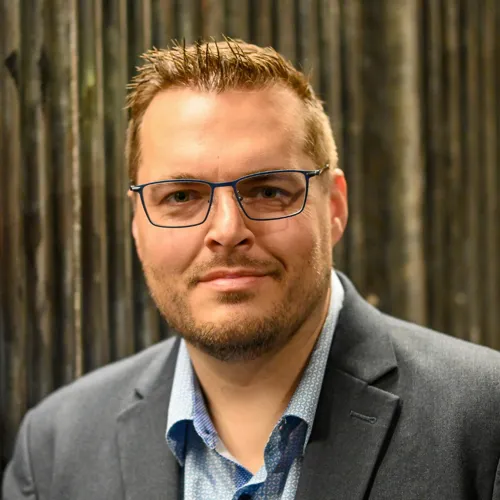
— Uriel ben Avraham
Kosher Duck Revolution is an initiative of AIC. Join AIC. Membership starts at $9 a month.