
The Name You Arrive With
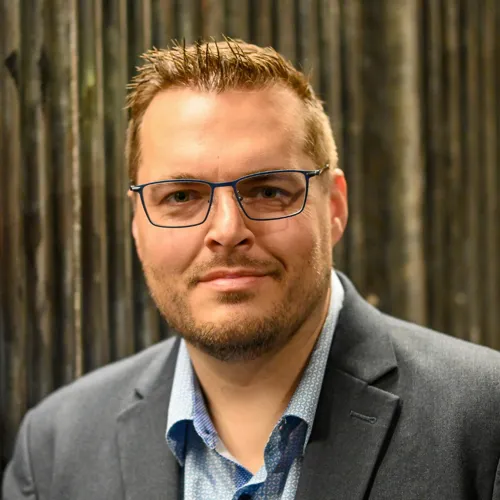
On Sunday, a man named Evyatar David came home to Kfar Saba. He had been held in Gaza for just over two years. When the convoy turned onto his street, a procession of orange emergency vehicles flanked the car — United Hatzalah, Israel’s volunteer first-responder corps.
His father, Avishai, is one of them. A paramedic. For the entire duration of his son’s captivity, Avishai David put on the orange vest and went out to save other people’s sons. He answered calls. He treated injuries. He showed up. And when the call finally came for his own family, his colleagues showed up for him — the same orange, the same urgency, pointed toward home.
I keep thinking about the father. Two years of going out while waiting for someone to come back.
The parsha this Shabbat is Lech-Lecha — one of the most loaded two-word phrases in the Torah. God speaks to Avram in chapter 12, verse 1, and the whole story turns:
וַיֹּ֤אמֶר יְהֹוָה֙ אֶל־אַבְרָ֔ם לֶךְ־לְךָ֛ מֵאַרְצְךָ֥ וּמִמּֽוֹלַדְתְּךָ֖ וּמִבֵּ֣ית אָבִ֑יךָ אֶל־הָאָ֖רֶץ אֲשֶׁ֥ר אַרְאֶֽךָּ׃
GOD said to Abram, “Go forth from your native land and from your father’s house to the land that I will show you.
Go forth. Leave your country, your birthplace, your father’s house. Go toward a place I haven’t named yet. I’ll show you when you get there.
There is no map. There is no itinerary. There isn’t even a destination, just a direction — away from what you know, toward what God will reveal. The rabbis spend a lot of ink on lech lecha, which literally translates as “go to yourself” or “go for yourself.” The doubling matters. This is not just movement. It is a going-toward that is also a becoming.
And then come the promises. God doesn’t send Avram into emptiness. The very next verse:
וְאֶֽעֶשְׂךָ֙ לְג֣וֹי גָּד֔וֹל וַאֲבָ֣רֶכְךָ֔ וַאֲגַדְּלָ֖ה שְׁמֶ֑ךָ וֶהְיֵ֖ה בְּרָכָֽה׃
I will make of you a great nation,
And I will bless you;
I will make your name great,
And you shall be a blessing.
A great nation. A great name. A blessing. All of this spoken to a seventy-five-year-old man with no children, standing in a place he is about to leave. The promise is absurd by every measure available to him. He goes anyway.
Five chapters later, after famine and war and a covenant cut between animal halves in the dark, God changes Avram’s name:
וְלֹא־יִקָּרֵ֥א ע֛וֹד אֶת־שִׁמְךָ֖ אַבְרָ֑ם וְהָיָ֤ה שִׁמְךָ֙ אַבְרָהָ֔ם כִּ֛י אַב־הֲמ֥וֹן גּוֹיִ֖ם נְתַתִּֽיךָ׃
And you shall no longer be called Abram, but your name shall be Abraham, for I make you the father of a multitude of nations.
The name changes because the person has changed. Or maybe the person changed because the going changed him. Either way, the man who left Ur is not the man who builds an altar in Canaan. He walked out as Avram — “exalted father” — and arrived as Avraham, father of multitudes. Sarai becomes Sarah. The names they were born with give way to the names they grew into.
The Talmud says a convert is like a newborn child. I can tell you from experience that this is both true and slightly misleading. You are not starting from scratch. You are arriving with everything you carried — every mile, every question, every slow step when doing something for the first time and weren’t sure you were doing it right — and you are being given a new name to hold all of it.
My Hebrew name is Uriel ben Avraham Avinu v’Sarah Imenu. Son of Abraham our father and Sarah our mother.
Every convert gets those parents, because every convert reenacts the same journey: leaving the familiar, trusting the direction, arriving as someone whose name has changed.
During my conversion process I got interested in genealogy — the way you do when you’re building a new identity and start wondering what the old one was actually made of. My grandmother (father’s mother) was named Leah. I didn’t think much of it until I pulled the papers. Her father was listed as “Jack,” which traced back to Jacob — Yaakov — a Lithuanian Jew who somehow ended up serving in the British forces in the First World War. He moved to Australia afterward. Married a gentile woman. He wrote poetry. He wrote songs. He had been wounded more than once in combat, and he was gentle in the way that soldiers who’ve seen too much sometimes are. When word of a second war reached him, he couldn’t bear it. He took his own life.
I found all of this in records and old documents, a man I never met who carried something I recognize. A Jewish spark that traveled generations through intermarriage and migration and silence and somehow surfaced in a great-grandson sitting in an Atlanta synagogue, studying for a conversion. The formal process required rigorous study, a mountain of paperwork, a beit din, a mikveh, and — thanks to a decision my parents made when I was a new born — a pin prick. The halachic term is hatafat dam brit, a drop of blood drawn to seal the covenant. But whatever was sealed that day had been traveling a long time.
Lech lecha is the convert’s parsha. But it’s also everyone’s. Every person who has ever packed a bag without knowing what the next place would look like.
Every father who went out in an orange vest because the work didn’t stop just because his world had. Every hostage who walked into a Red Cross vehicle and stepped back onto Israeli soil with a name the whole country had been saying for two years — finally spoken in the present tense.
Between the command to go and the promise that follows it, there is a single verse that holds the whole parsha together. It comes later, after the stars:
וְהֶאֱמִ֖ן בַּֽיהֹוָ֑ה וַיַּחְשְׁבֶ֥הָ לּ֖וֹ צְדָקָֽה׃
And he put his trust in GOD, who reckoned it to his merit.
He believed. That’s it. No proof. No evidence. An old man looking at the sky, told his descendants would be as numerous as what he saw, and he believed it. The Hebrew word is he’emin — from the same root as amen. He said amen to an absurd promise, and the Torah calls it righteousness.
Avishai David said amen every morning he put on the vest. Every call he answered. Every stranger he treated while his own son sat in a tunnel in Gaza. That is what trust looks like when it has no proof and no timeline and no map — just a direction, and the discipline to keep walking toward it.
The going is over. The arriving has begun.
Shabbat shalom.
— Uriel ben Avraham
Kosher Duck Revolution is an initiative of AIC. Join AIC. Membership starts at $9 a month.