

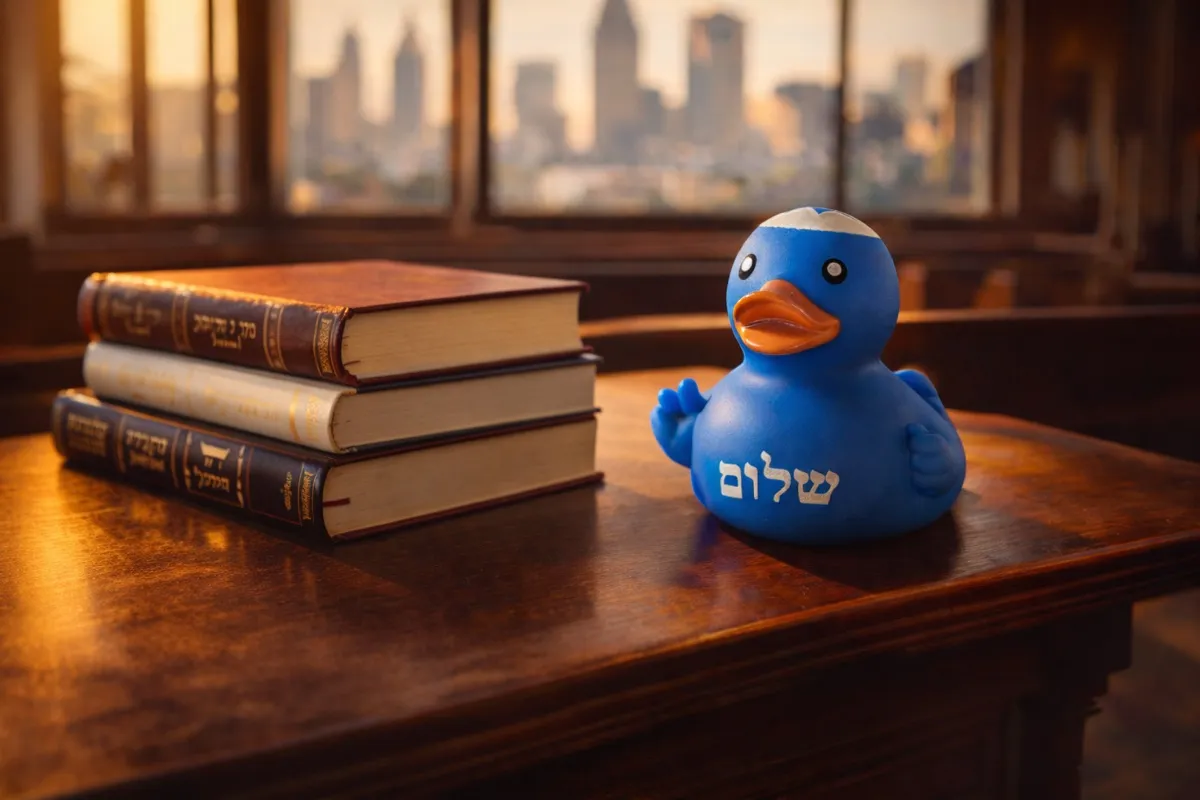
A Stranger in a Foreign Land

The best meal I had in Israel this trip was at a BBQ restaurant on the main avenue in Kiryat Shmona.
I say “this trip” like it was an impulse vacation. It was and it wasn’t. We came at the last minute, though it feels like we are always drawn here. During the trip we joined our friends that are here with the Atlanta Israel Coalition.
After the group disbanded, we took a train south to Be’er Sheva, then drove north, all the way up to Kiryat Shmona, because we’d heard things about this town and wanted to see it with our own eyes.
What we found: a man running a nonprofit who spoke about the future of the Galil like she was reading a blueprint she’d drawn herself. A municipal worker who described the rebuilding not as recovery but as improvement — “We are not going back to what it was. We are going forward to what it should have been.” A man behind a grill turning out meat that would make any Texan in a smokehouse disappointed with their life choices.
We don’t live here. Not yet. Aliyah is the plan, but the bureaucracy has its own calendar.
This week’s parsha is Shemot — “Names.” The opening of the book of Exodus. And it begins, of all ways, with a list:
וְאֵ֗לֶּה שְׁמוֹת֙ בְּנֵ֣י יִשְׂרָאֵ֔ל הַבָּאִ֖ים מִצְרָ֑יְמָה אֵ֣ת יַעֲקֹ֔ב אִ֥ישׁ וּבֵית֖וֹ בָּֽאוּ׃
These are the names of the sons of Israel who came to Egypt with Jacob, each coming with his household:
A roll call. There’s a midrash in Vayikra Rabbah that says the Israelites in Egypt were redeemed because of four things — and one of them is that they didn’t change their names. Four hundred years of slavery, and the names survived.
The parsha unfolds from there into enslavement, the decree to kill the baby boys, the birth of Moses, his rescue from the Nile by Pharaoh’s daughter. Moses grows up in the palace, flees to Midian after killing an Egyptian who was beating a Hebrew slave, and marries Tzipporah. She gives him a son, and Moses names him:
וַתֵּ֣לֶד בֵּ֔ן וַיִּקְרָ֥א אֶת־שְׁמ֖וֹ גֵּרְשֹׁ֑ם כִּ֣י אָמַ֔ר גֵּ֣ר הָיִ֔יתִי בְּאֶ֖רֶץ נׇכְרִיָּֽה׃
She bore a son whom he named Gershom, for he said, “I have been a stranger in a foreign land.”
Gershom. Ger sham — a stranger there. Moses is safe in Midian. He has a wife, a son, a flock to tend. He could stay. He could let the name be a memorial to what he left behind. A lot of people would.
Then the burning bush. Moses is shepherding his father-in-law’s flock in the wilderness, and he sees something strange. He could keep walking. He doesn’t.
וַיֹּ֣אמֶר מֹשֶׁ֔ה אָסֻֽרָה־נָּ֣א וְאֶרְאֶ֔ה אֶת־הַמַּרְאֶ֥ה הַגָּדֹ֖ל הַזֶּ֑ה מַדּ֖וּעַ לֹא־יִבְעַ֥ר הַסְּנֶֽה׃
Moses said, “I must turn aside to look at this marvelous sight; why doesn’t the bush burn up?”
Asurah na — let me turn aside. The next verse says God saw that he turned aside, and only then did God call to him. Rashi notes this: God waited for Moses to notice. The call didn’t come until Moses chose to look.
On Wednesday — Hebrew Language Day — the Academy of the Hebrew Language announced that Israelis chose habaita, “homeward” — as the Hebrew word of the year. Twenty-five percent picked it, beating “trauma,” “rehabilitation,” and “Rising Lion” (the twelve-day war with Iran).
The word that won was the direction. Homeward. It was chosen because of the hostages who came home. Because of families coming home. Because after a year of hatufim — “hostages,” last year’s word — the country chose to name its next chapter with a destination.
Hebrew hadn’t been a spoken mother tongue for about seventeen hundred years when Ben-Yehuda arrived in Jerusalem in 1881 and decided it would be again. A language that came home.
Shemot is the book of exile becoming exodus. The whole book moves in one direction. Habaita.
We leave next week. We don’t want to. The Airbnb is in Be’er Sheva, and our hearts are in Kiryat Shmona. But Moses named his son “stranger in a foreign land,” and then a bush caught fire, and then he turned aside to look.
The direction is set. The rest is paperwork.
Shabbat shalom.
— Uriel ben Avraham
Kosher Duck Revolution is an initiative of AIC. Join AIC. Membership starts at $9 a month.